Herbal & Flower Teas

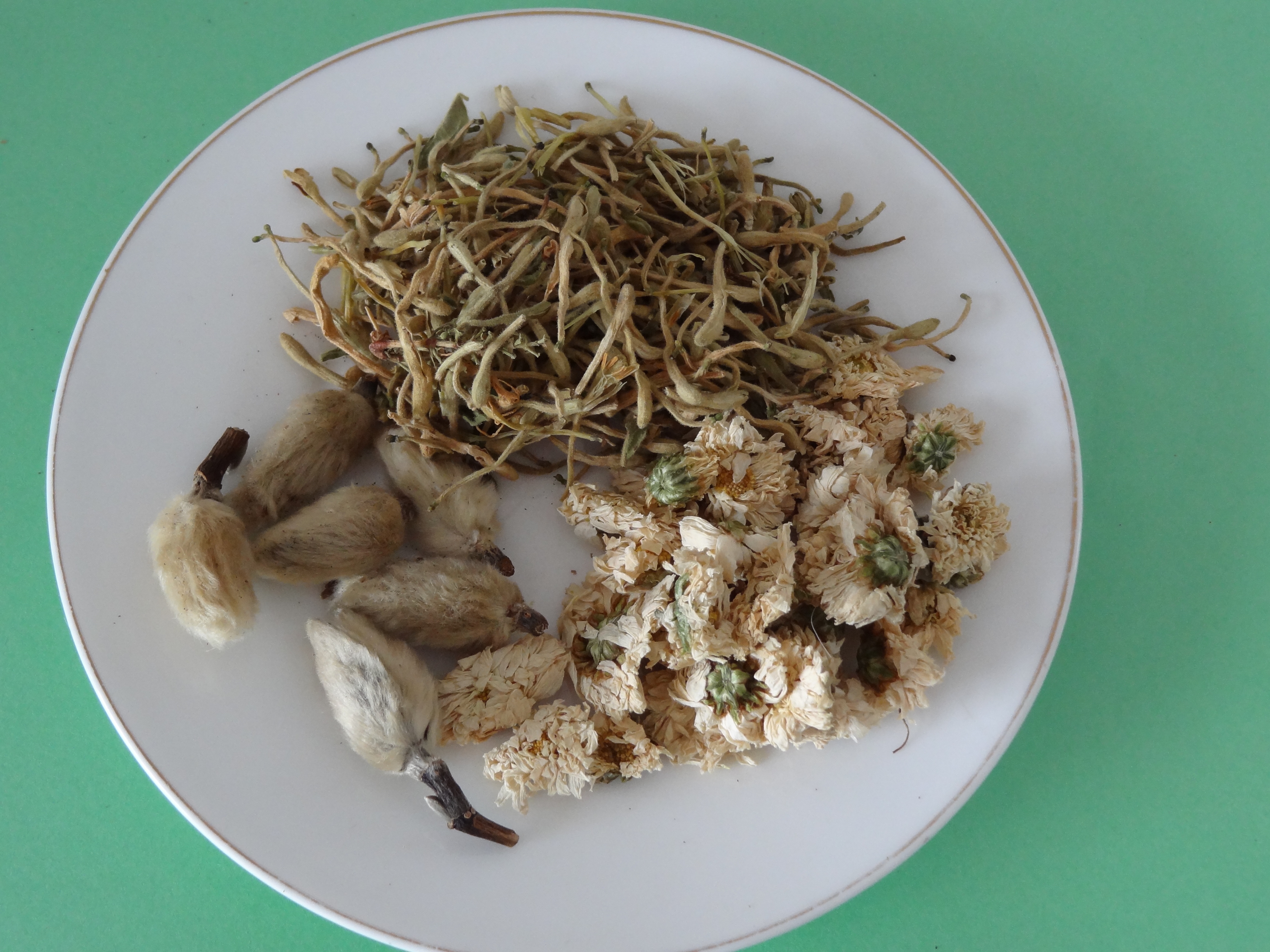
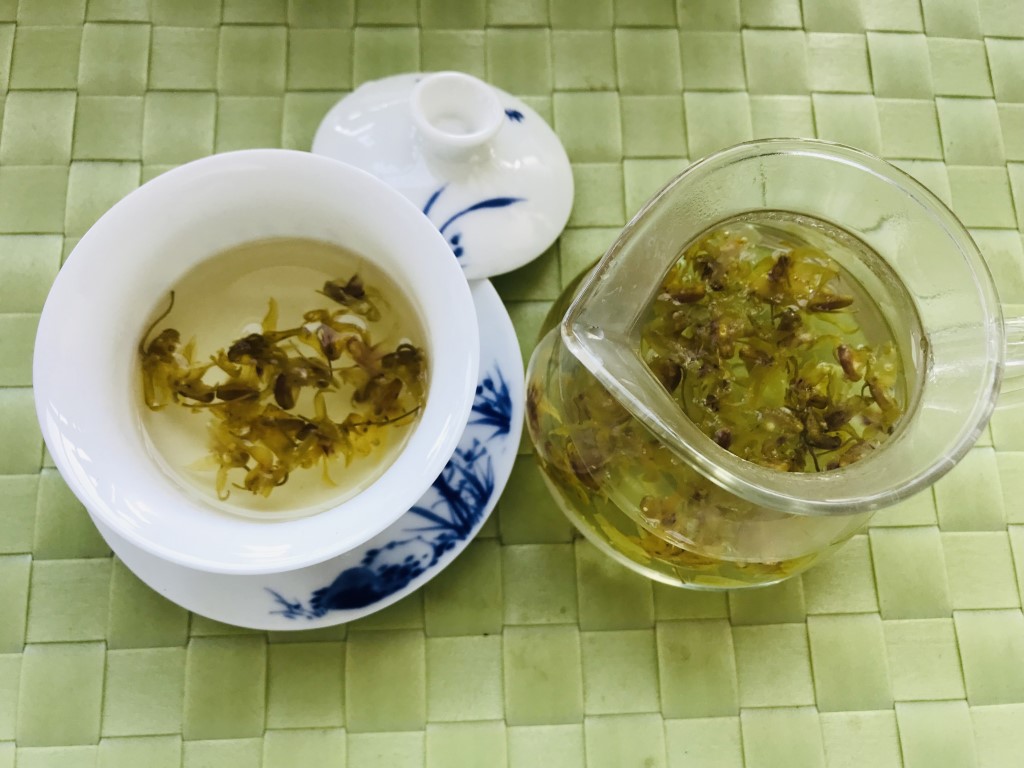
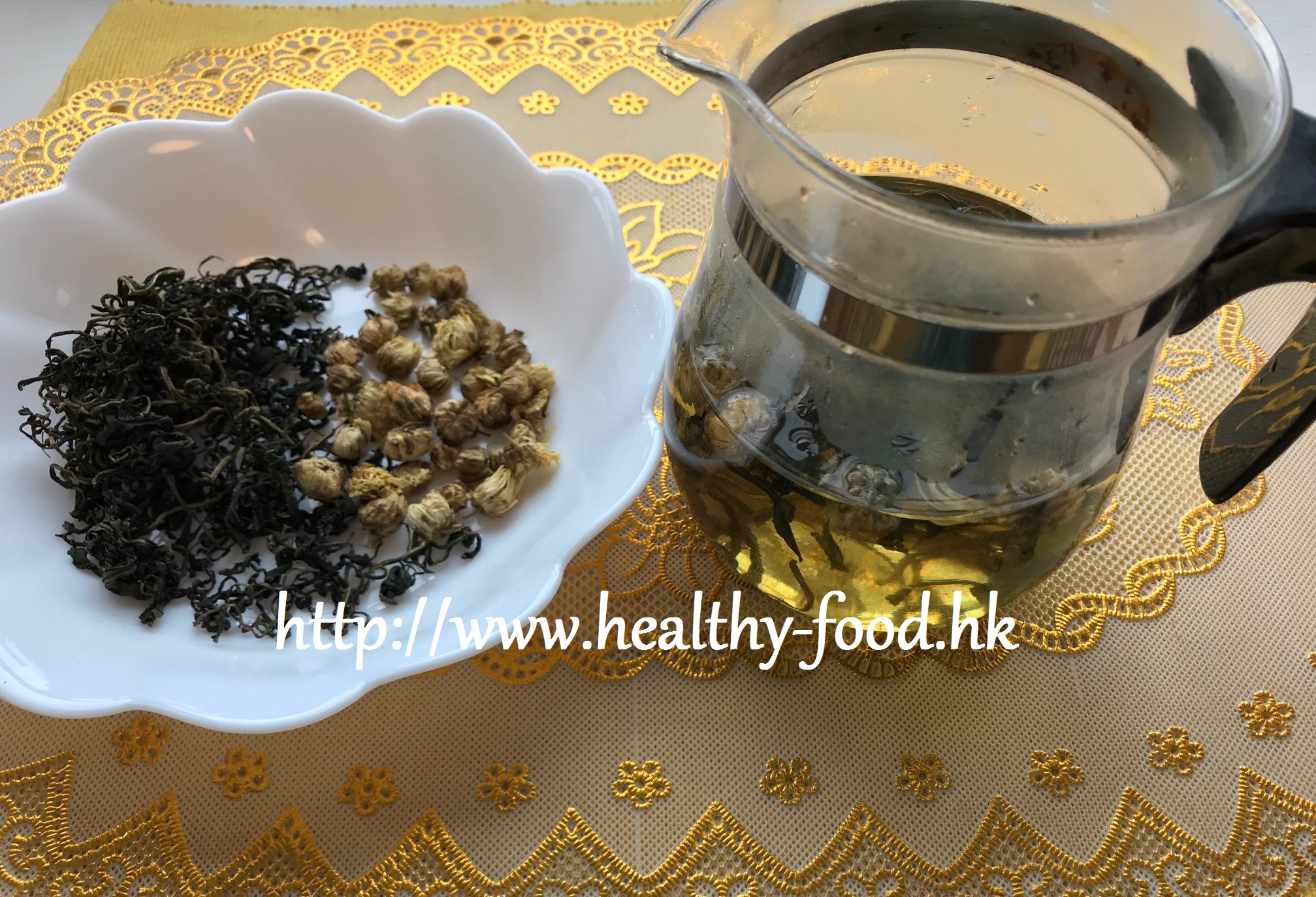
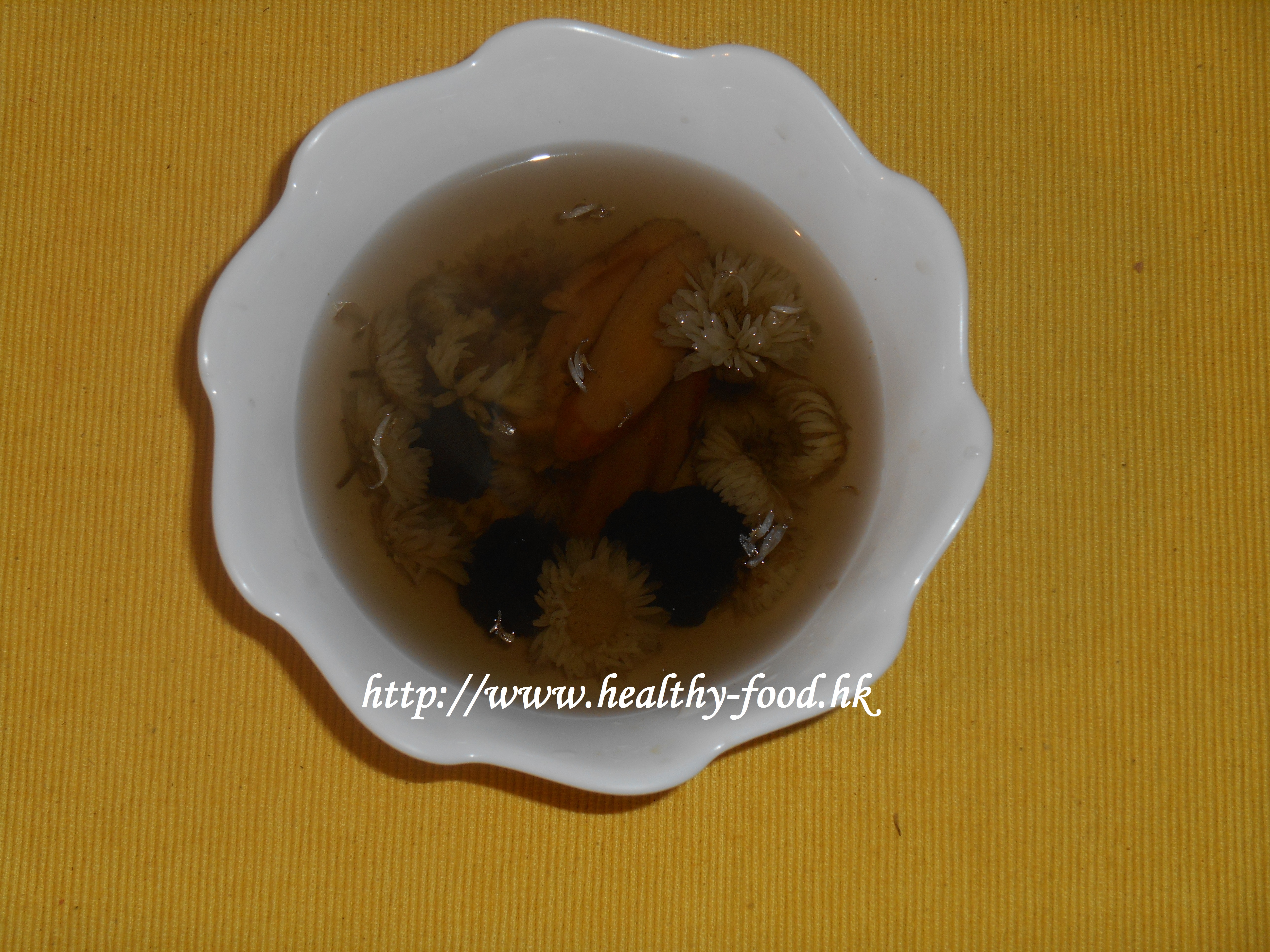
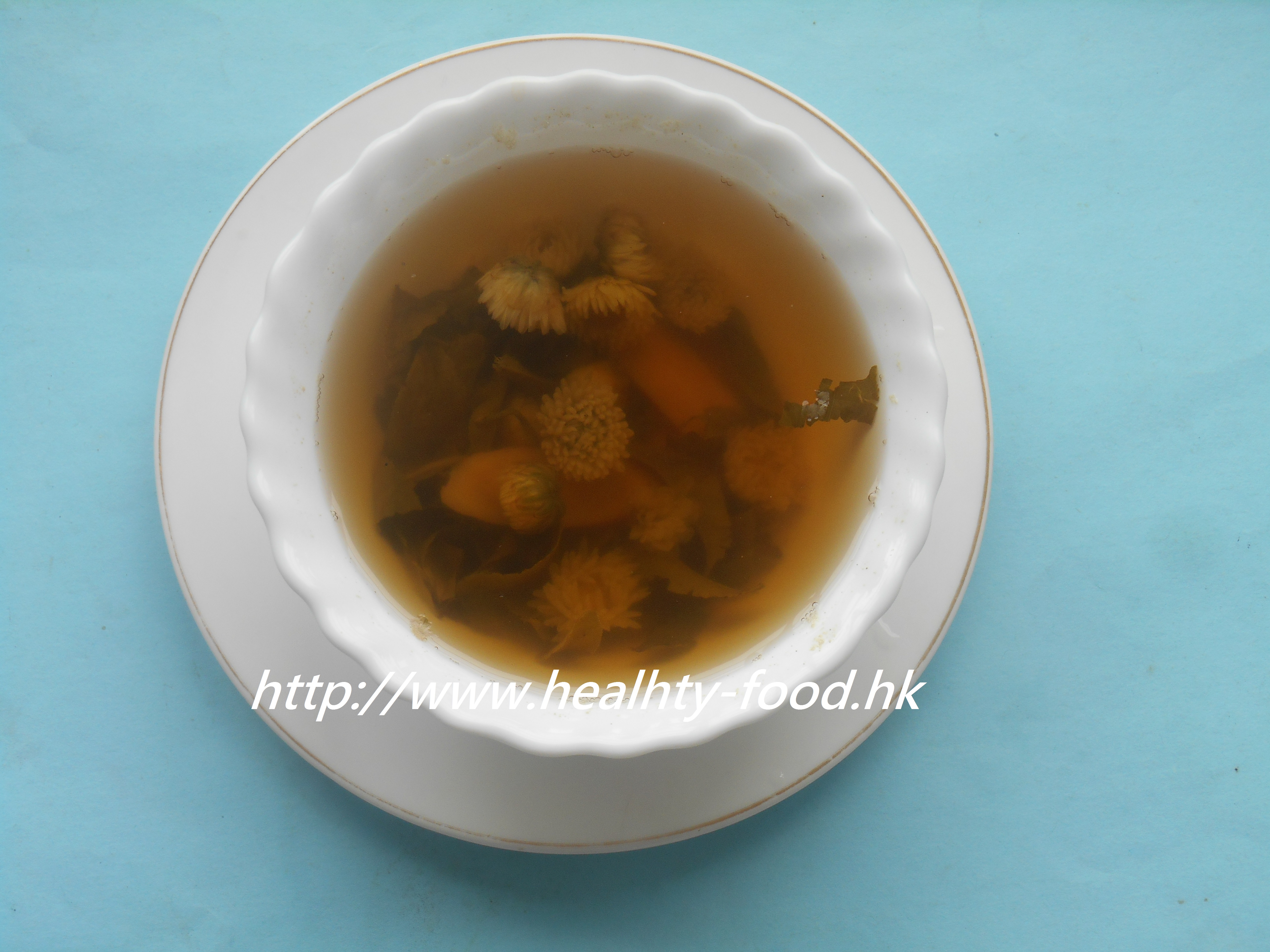
Magnolia Bud, Honeysuckle and Chrysanthemum Honey Tea

traditionally used to support nasal passage comfort, reduce sneezing, and relieve thick nasal discharge

Prep
5 min
Cook
5 min
Total
10 min
Makes
1–2 cups
Magnolia Bud, Honeysuckle and Chrysanthemum Honey Tea

Why people make this tea

Allergic rhinitis — itchy nose, endless sneezing, runny or blocked nose, and sometimes watery eyes — is one of those conditions that is not dangerous but quietly exhausting. Western antihistamines help but often cause drowsiness. Nourilo has recommended this three-flower honey tea for years as a gentle, daily-use option that can be sipped regularly during symptomatic periods.

The key herb is magnolia flower bud (xin yi hua): the dried bud of the Magnolia or Yulan tree, widely used in Chinese medicine for nasal conditions. Modern research has investigated its volatile oils, which appear to have a constricting effect on the nasal mucosa blood vessels — meaning it works in a mechanistically plausible way, not just by tradition. Paired with honeysuckle (anti-inflammatory and heat-clearing) and chrysanthemum (wind-dispersing and cooling), the combination addresses both the nasal blockage and any associated inflammation in the nasal passages.

Who it suits / who should be cautious

  • Suitable for adults and children with allergic rhinitis, frequent sneezing, yellow or green nasal discharge, and nasal swelling
  • Also helpful for nasal blockage during sleep that disturbs rest
  • Children with G6PD (glucose-6-phosphate dehydrogenase deficiency) can use magnolia buds, but should avoid honeysuckle (jin yin hua) — substitute with additional chrysanthemum or omit honeysuckle entirely
  • PREGNANCY: Do NOT use — magnolia buds are associated with stimulating uterine contractions
  • Those with clear watery nasal discharge from a cold (rather than heat-type rhinitis) should address the underlying cold first before using this cooling tea

Why these ingredients (the food-therapy logic)

  • Magnolia flower buds (xin yi hua): The bud of the Magnolia / Yulan tree; traditionally classified as dispersing wind-cold and opening the nasal passages; its volatile oils are thought to help constrict swollen nasal mucosa blood vessels
  • Honeysuckle (jin yin hua): Traditionally regarded as cooling, heat-clearing, and anti-inflammatory; associated with addressing yellow-thick nasal discharge
  • Chrysanthemum (ju hua): Disperses wind-heat, cools the head, and supports eye and nasal health
  • Honey: Naturally soothing; helps balance the mild bitterness of the herbs and adds gentle throat-coating properties

Ingredients (1–2 cups)

IngredientAmountNotes
Magnolia buds (xin yi hua)6 buds (under 5 yrs) / 8–10 (adults)Lightly crush buds before steeping
Honeysuckle flowers (jin yin hua)8 g (2 qian)Omit for G6PD
Chrysanthemum flowers (ju hua)8 g (2 qian)
Boiling water~1 cup (250 mL)
HoneyTo tasteAdd after steeping, not during

Method

  1. Lightly crush the magnolia buds with the back of a knife to help release the volatile oils.
  2. Place all three flowers in a teapot or cup.
  3. First, pour a small amount of boiling water over the flowers, swirl briefly, and discard this first rinse.
  4. Pour fresh boiling water and steep for 5 minutes with the lid on.
  5. Add honey to taste and drink warm. The tea can be re-steeped once more.

Nourilo’s Tips

People with ongoing allergic rhinitis can drink this tea regularly during symptomatic periods — three to four times per week. For even better results, Nourilo suggests combining it with “Yu Ping Feng San” (Jade Screen Powder), a classical Chinese formula containing astragalus, saposhnikovia, and white atractylodes, which is sold as ready-made granules at Chinese pharmacies. Brew the three-flower tea and stir in 2.5 g of the granule powder before drinking. This combination helps both address the immediate symptoms and gradually strengthen the body’s resistance to wind and allergens.

Community questions answered (selected)

  • Q (May): My child is 9 years old and gets nasal blockage every night before sleep, sometimes for up to an hour, then sleeps fine through the night. How often can this tea be given? Nourilo: Steep 8 magnolia buds in 1 cup of hot water with a little honey. You can serve 2 cups from one steeping. Three servings per week; continue until symptoms improve.

  • Q (文): My daughter has been using this tea for rhinitis when she gets blocked at night. Her younger brother also has the problem but has G6PD — can he use this tea? Nourilo: Children with G6PD can use magnolia buds (xin yi hua), but honeysuckle (jin yin hua) should not be used. Omit the honeysuckle from the recipe for him.

  • Q (reader): Can the magnolia buds be simmered as a tea rather than just steeped? Nourilo: You can simmer them — about 15 minutes is fine. Add honey after cooking, not during. Steeping works well and preserves more of the volatile oils, but either method is effective.


Published July 6, 2013 · Adapted and translated for Nourilo from a traditional home-kitchen recipe. Approx. 4 min read.