Herbal & Flower Teas
Mulberry Tea
traditionally associated with calming the mind and supporting sleep quality
Why people make this tea
Life in a busy city rarely slows down, and the toll it takes on sleep is real. When you find yourself lying awake with a restless mind, Traditional Chinese food therapy has a gentle suggestion before reaching for sleeping pills: try adjusting your diet first. Mulberry tea is one of the simplest herbal teas in the repertoire — just a handful of dried mulberries, hot water, and a little patience. Nourilo recommends it as an everyday brew for anyone whose sleep has been light, patchy, or slow to come.
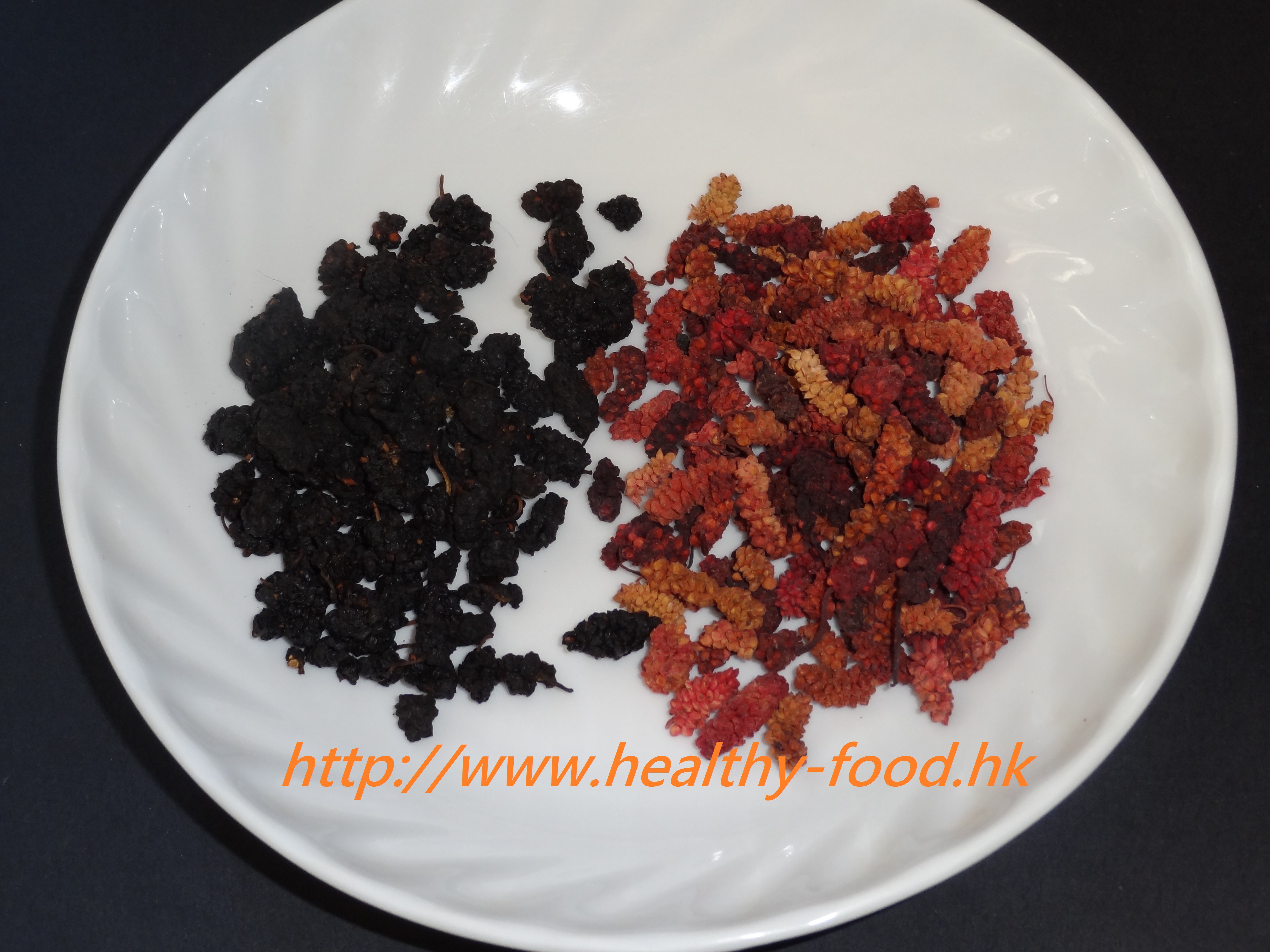
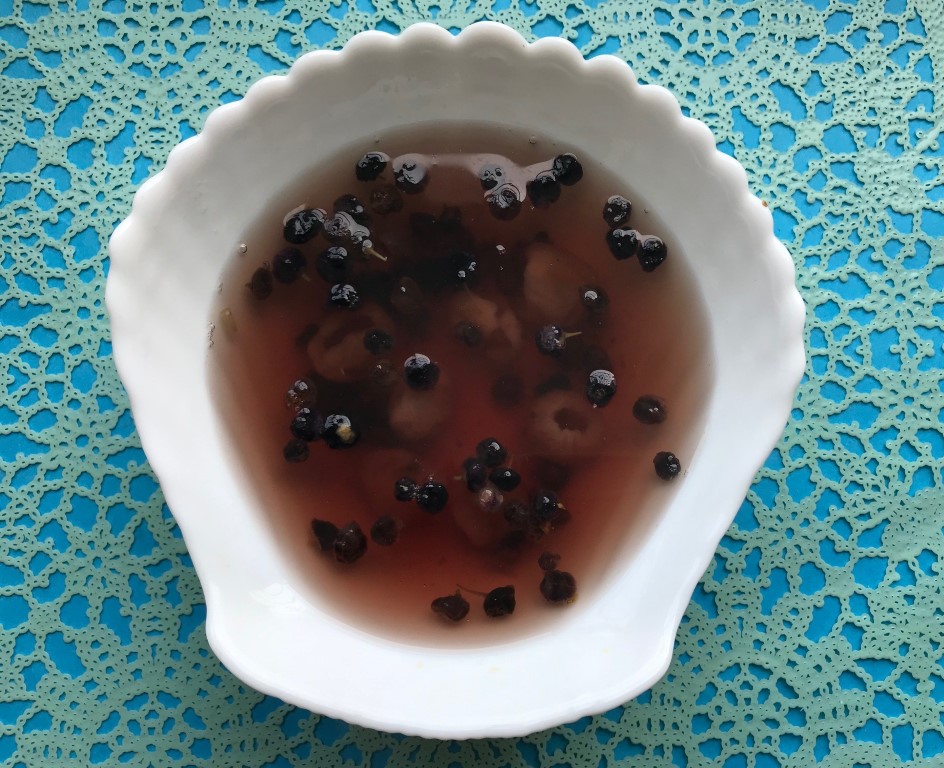
The darker the dried mulberries, the better their potency — if your local herbal shop carries both lighter and darker varieties, choose the deeply coloured ones.
Who it suits / who should be cautious
- Suits those with light sleep, difficulty falling asleep, forgetfulness, or feelings of restlessness and mild anxiety
- Also traditionally associated with supporting those with anaemia, cold feet, or early signs of age-related vision changes
- Mulberries are cool in nature; people with a consistently cold constitution or loose stools should use sparingly or consult a practitioner
- Check with your doctor if you are on medications for sleep or mood conditions
Why these ingredients (the food-therapy logic)
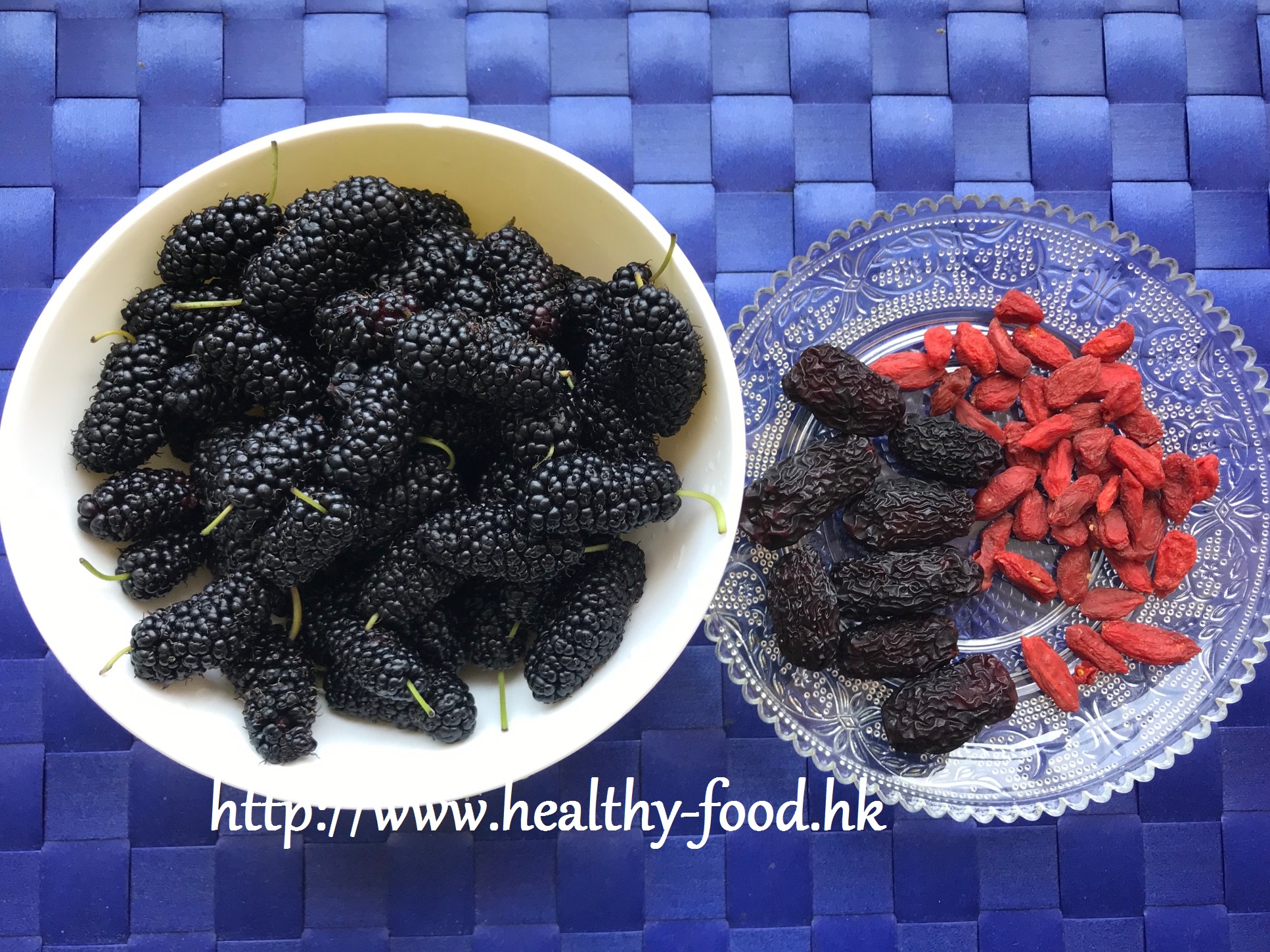
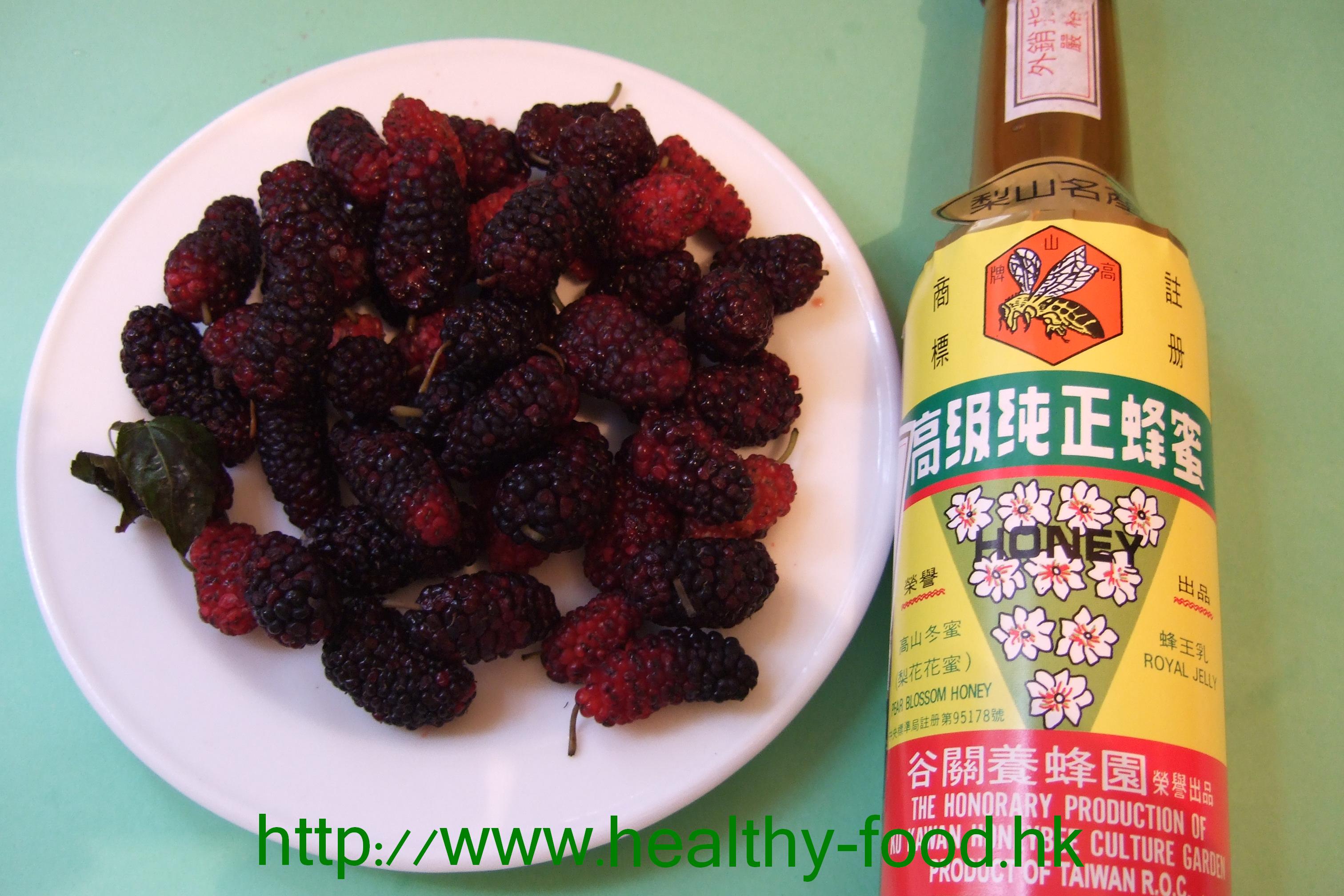
- Dried mulberries (sang shen zi): Sweet and slightly sour, cool in nature. In Chinese food therapy, mulberries are associated with nourishing the liver and kidneys, calming internal heat, and quieting an overactive mind — a combination thought to be particularly relevant for sleep difficulties rooted in deficiency or restlessness.
Ingredients (1 cup)
| Ingredient | Amount | Notes |
|---|---|---|
| Dried mulberries (sang shen zi) | 2–3 tablespoons | Use deeply coloured black ones for best effect |
Method
- Place the dried mulberries in a cup or small teapot.
- Pour boiling water over them and steep for 5 minutes, or simmer gently for 5 minutes in a small pot.
- Drink warm. The berries can be eaten as well.
Nourilo’s Tips
Mulberry tea is one of the most fuss-free sleep-support teas around. You can brew it fresh each evening and sip it an hour or so before bed. Other teas in the same family include longan-and-jujube-seed tea (yuan rou zao ren cha) and arbor-vitae seed tea (bai zi ren cha) — all gentle options worth rotating through. Pair the tea with a regular wind-down routine and keep screens away from the bedroom for best results.
Community questions answered (selected)
-
Q (Joanne): I have been drinking mulberry tea and it has helped my sleep. But today I have a mild cold — can I continue? Nourilo: Yes, mulberry tea is fine to continue. With a mild cold, just drink plenty of water and rest well.
-
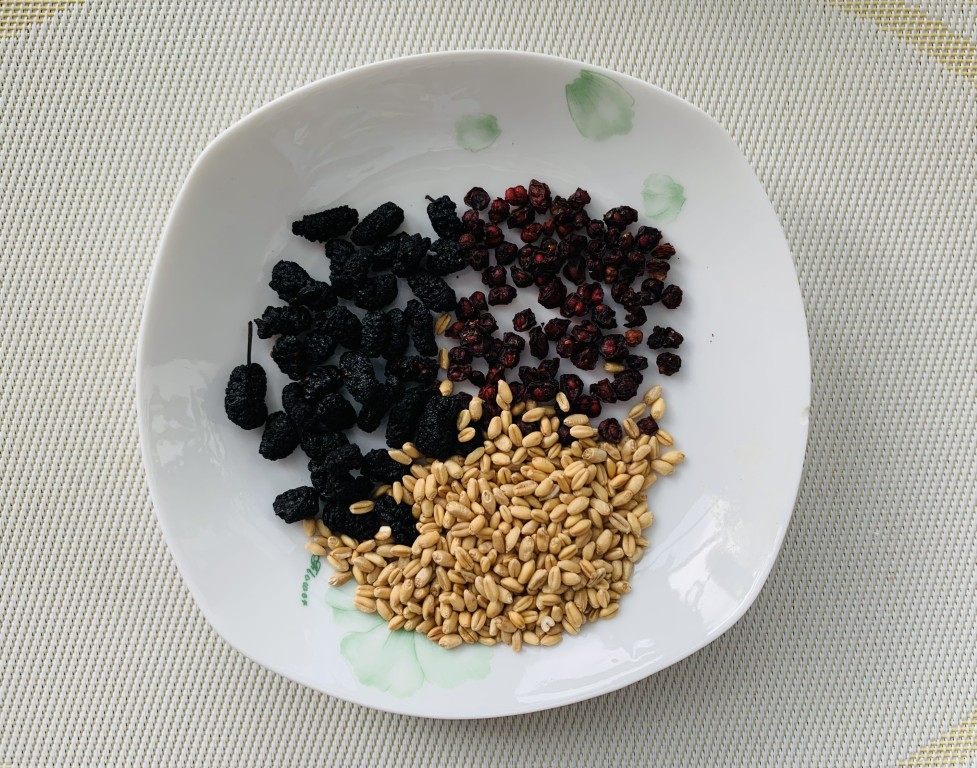
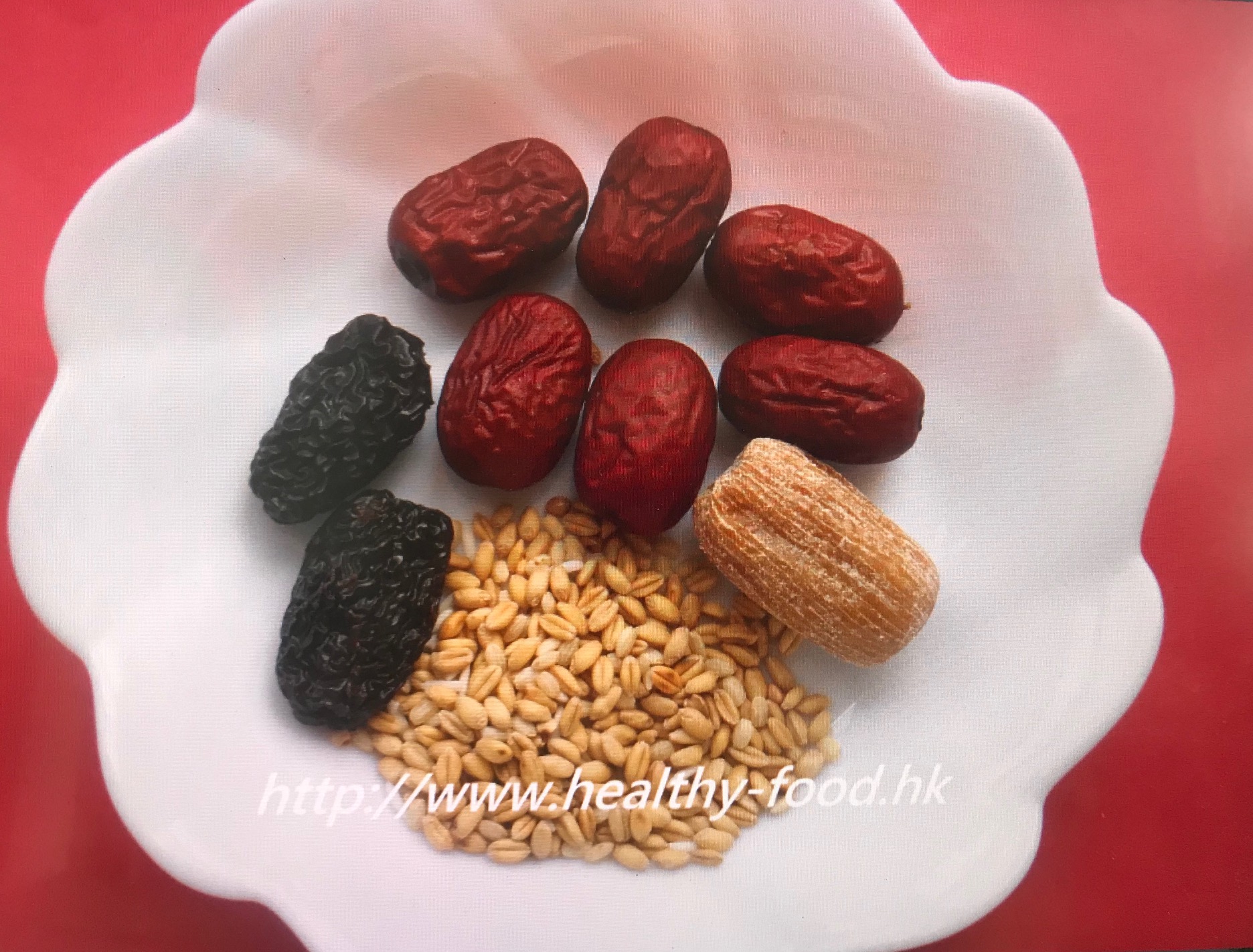
Q (Joanne): After recovering from a fever last month, I now wake in the middle of the night sweating — sometimes more, sometimes less. Is there something to help? Nourilo: Try using black beans (1 liang), floating wheat (fu xiao mai, 5 qian), and black dates (6 pieces) in 5 bowls of water, simmered down to 2 bowls. This is traditionally used to help stop night sweats. Drink for 3 consecutive days.
-
Q (Yee): The dried black mulberries at my local herbal shop seem expensive. Is there a more affordable option? Nourilo: Dried mulberries vary considerably in price between suppliers. It is worth comparing a few Chinese herb shops or looking online — the price per weight can differ significantly, so shopping around usually pays off.
Published June 30, 2014 · Adapted and translated for Nourilo from a traditional home-kitchen recipe. Approx. 3 min read.