Soups
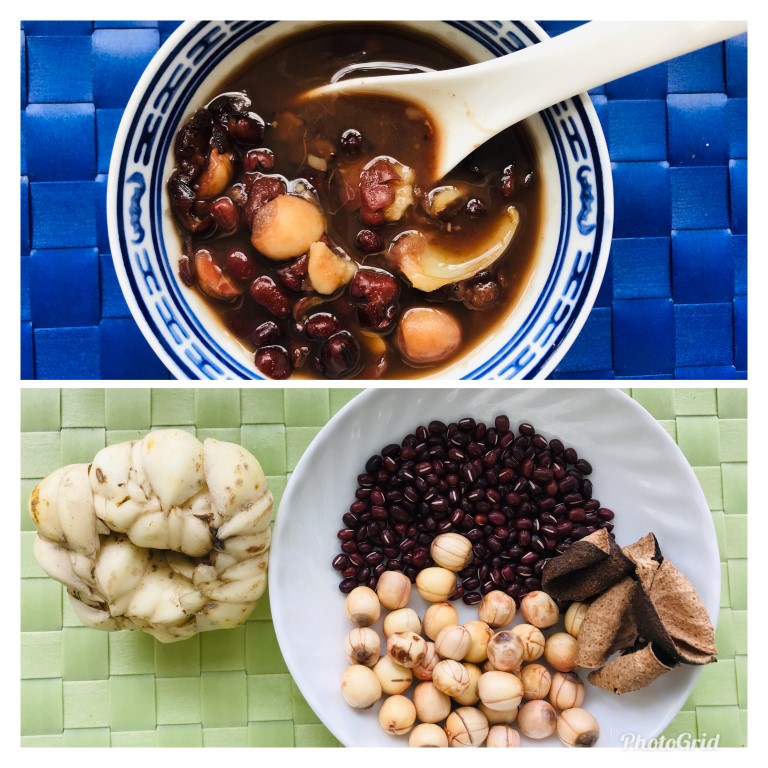
Mung Bean, Lotus Seed and Lily Bulb Soup
Traditionally taken to clear summer heat and calm the mind
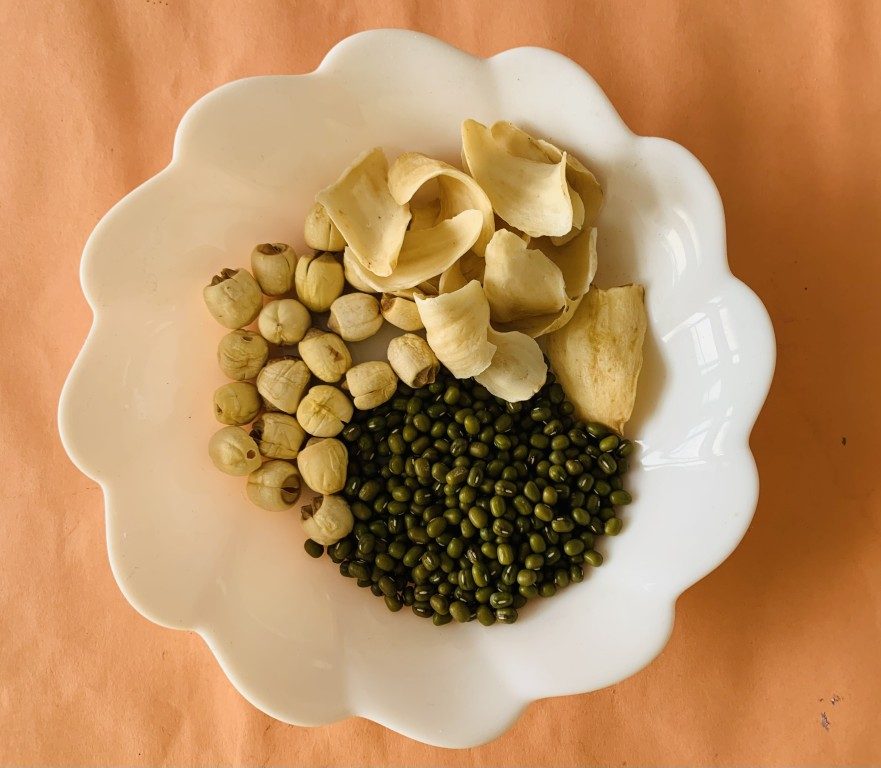
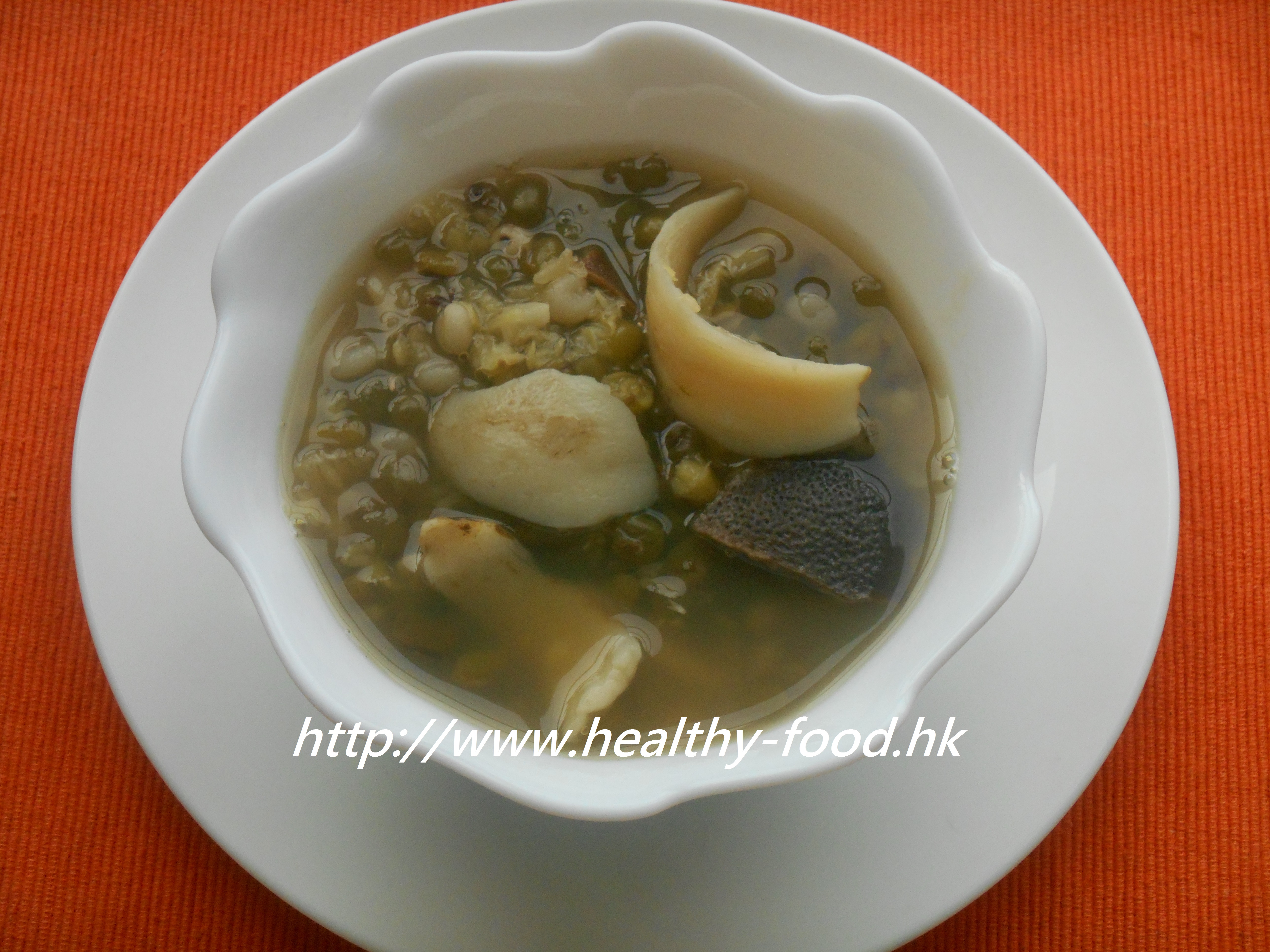
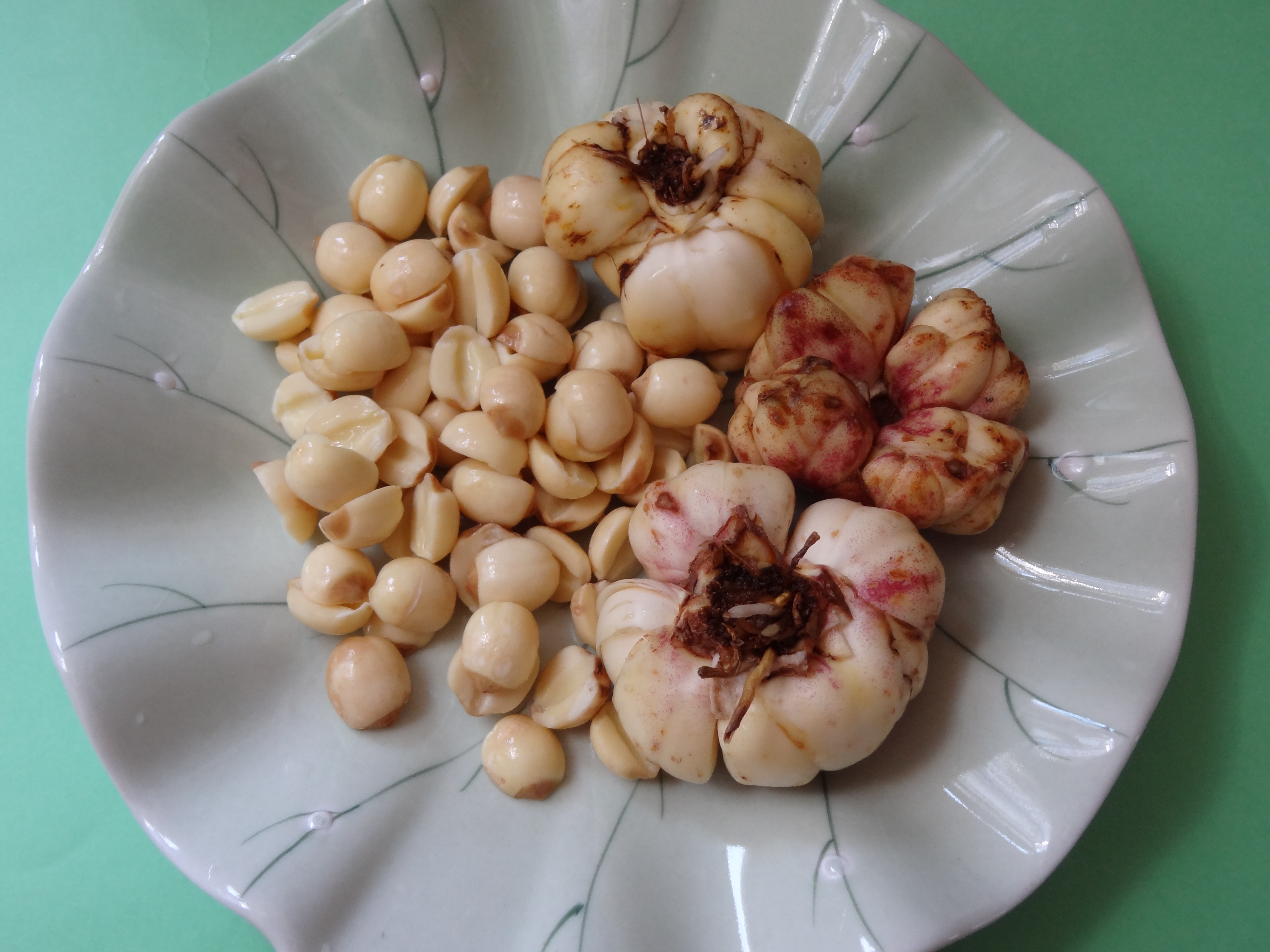
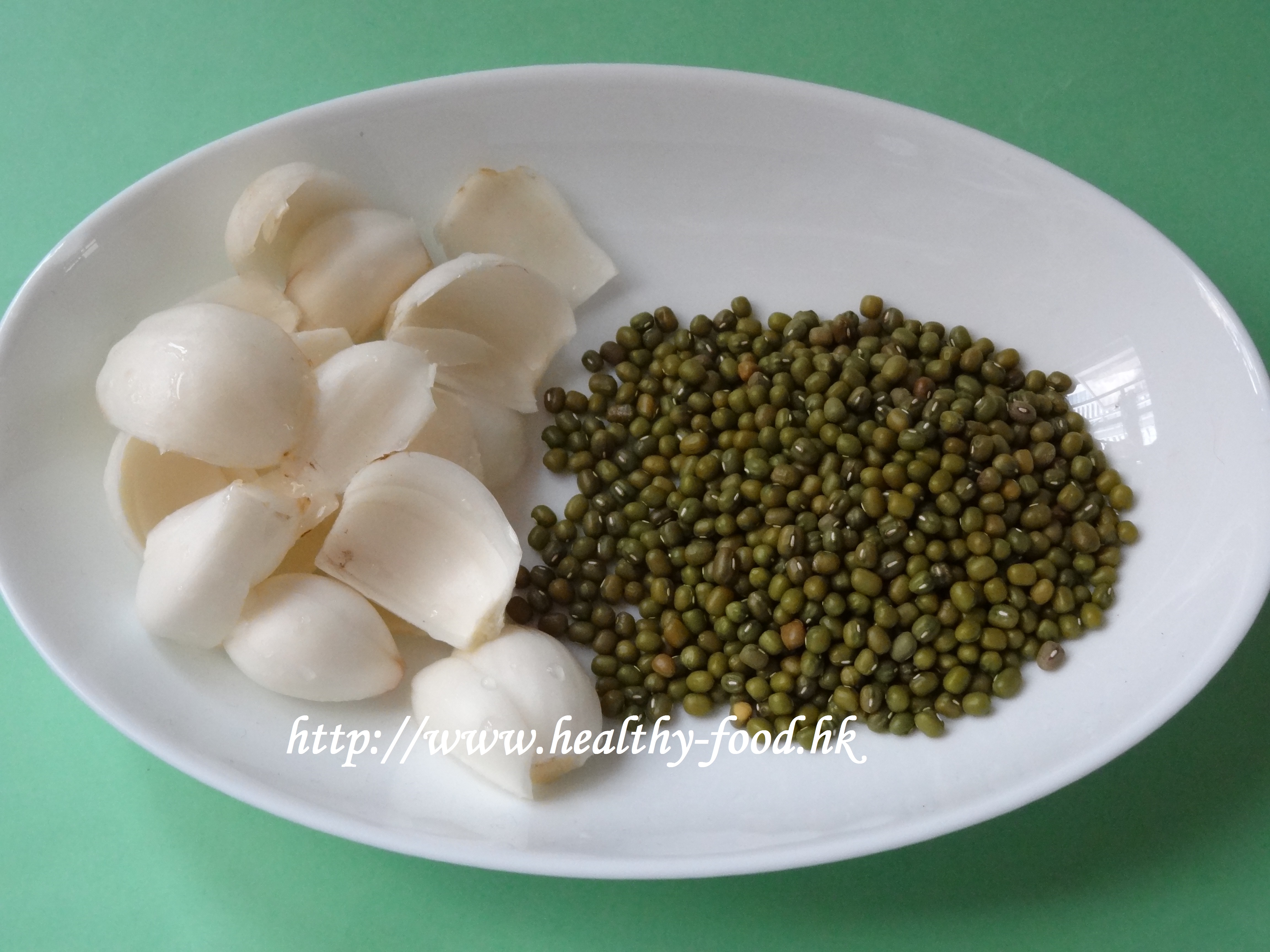
In short: Mung Bean, Lotus Seed and Lily Bulb Soup is a soup that Traditionally taken to clear summer heat and calm the mind. It is most often made for cooling & summer heat, skin & natural beauty, sleep & calm. Total time about 1 hr 10 min. Key ingredients: mung beans, lotus seeds, lily bulb, rock sugar.
Why people make this soup
In summer, Nourilo recommends making mung bean soup regularly as an everyday food-therapy dish. Mung beans are rich in dietary fibre, which supports normal bowel movement, and also contain B vitamins associated with normal metabolism.
In traditional Chinese food therapy, mung beans are considered cooling and are traditionally used to clear heat and resolve toxins. Nourilo notes that for children troubled by prickly heat and itchy skin in summer, mung beans are sometimes cooked with rue; he also mentions the traditional use of liquorice alongside mung beans. These practices should only be regarded as supportive food therapy — avoiding food poisoning and unsafe foods remains the priority.
Today’s mung bean, lotus seed and lily bulb soup is especially suited to hot weather and is often turned to by people who sleep restlessly or feel anxious.
What studies say about the key ingredients
Traditional use is not the same as clinical proof. Here is the strongest human research we found for each ingredient, limitations included.
- Mung beans
Breath hydrogen and methane were higher after wheat than after rice or mung bean noodles. Bloating scores after mung bean did not differ significantly from wheat, and mung bean produced gas levels similar to rice.Limitation: Small sample of 20 patients, with single meals tested rather than habitual intake, so longer-term effects of mung bean on symptoms are unknown.PubMed 31484315 · 1 more mung beans study - Lotus seeds
Lotus seed meals had a low glycemic index (GI 21–51 across the lotus seed and adzuki bean meals), while several other starchy foods did not differ significantly from rice. Lotus seed's in vitro hydrolysis index was also lower than that of other test foods.Limitation: Only ten healthy participants and acute single-meal tests, so findings may not apply to people with diabetes or to long-term intake.PubMed 30875961
From the Nourilo Research Library. Findings come from specific doses, extracts and populations and may not apply to a home-cooked recipe.
Safety first — read before you cook
This is a traditional food, not a treatment. Please check with your doctor or pharmacist before making it a regular part of your diet if you:
- are pregnant or breastfeeding, or are cooking for a young child;
- take regular medicines — especially blood thinners, blood-pressure, diabetes or immune-suppressing drugs;
- have a kidney, liver or heart condition, or a known food allergy.
Stop eating it and seek advice if you notice an allergic reaction or feel unwell. Safety notes reviewed 8 October 2026 · How we write safety notes
Members only
Unlock the full method & Nourilo's tips
One payment, lifetime access to every one of our 2,344 recipes — step-by-step methods, preparation tips and serving notes.
- Full step-by-step method for this and all 2,344 recipes
- Nourilo's Tips — sourcing, substitutions and serving notes
- One-time payment · card, Apple Pay or Google Pay · no subscription, no renewals
Checking your access…
$59.99 one-time · all recipes
Sign in or create a free account, then pay once by card, Apple Pay or Google Pay.
Continue with GoogleBy continuing with Google or email you confirm you are 16 or older and agree to our Terms of Use and Privacy Policy.
$59.99 one-time · all recipes
Signed in as ·
Secure checkout by Stripe. One-time payment, no renewals. Access is linked to your Nourilo account and never expires. By paying you agree to our Terms of Use; you can get a full refund within 14 days (refund policy).
Comments
Join the conversation — sign in or create a free account to comment.
Continue with GoogleBy continuing with Google or email you confirm you are 16 or older and agree to our Terms of Use and Privacy Policy.
Loading comments…