Congee & Porridge
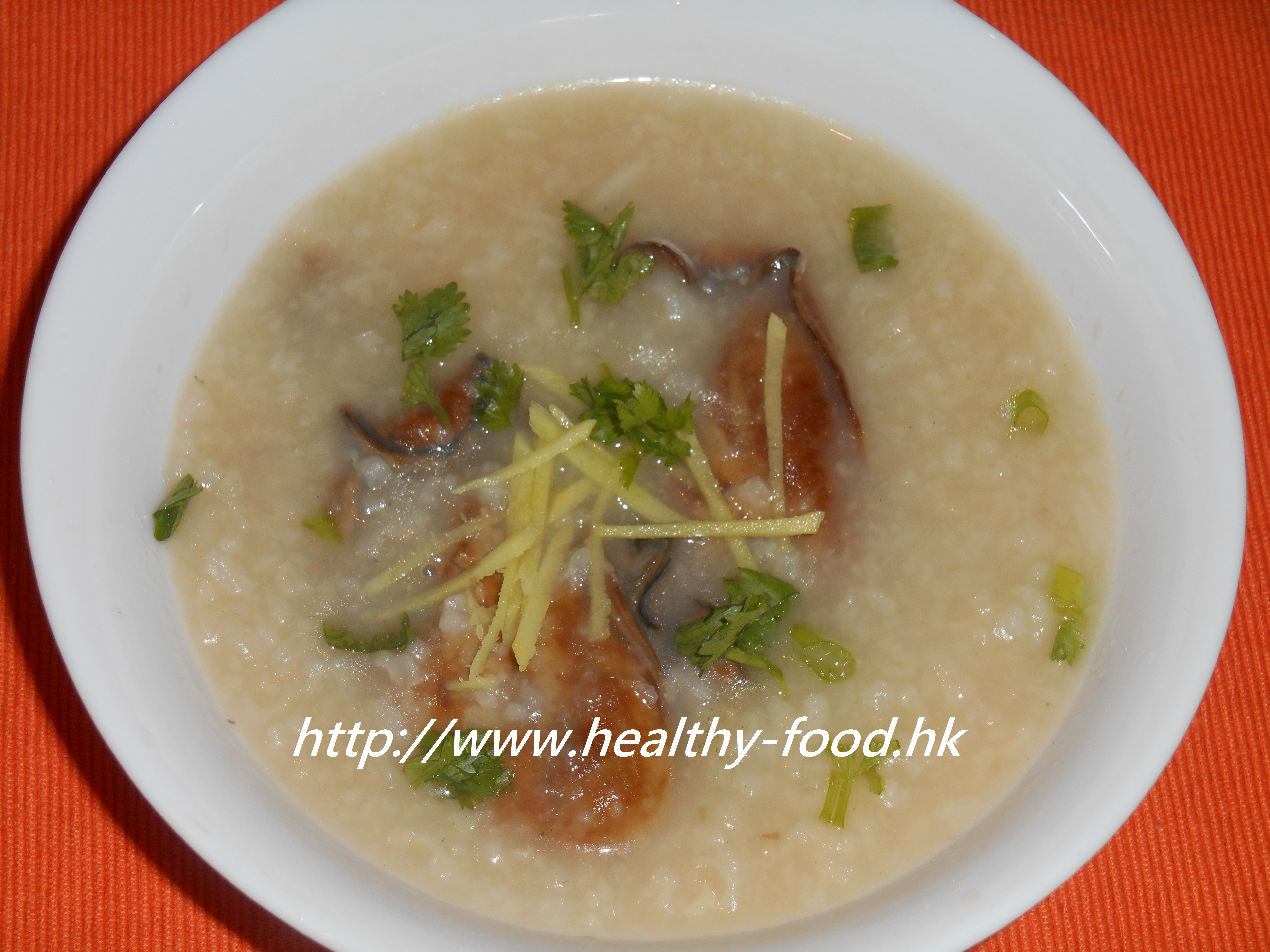
Dried Oyster Congee (Hao Chi Zhou)
Traditionally used to nourish yin, calm the mind, support the blood and lower internal heat
In short: Dried Oyster Congee (Hao Chi Zhou) is a congee & porridge that Traditionally used to nourish yin, calm the mind, support the blood and lower internal heat. It is most often made for women's wellness, heart & circulation, sleep & calm. Total time about 1 hr 5 min. Key ingredients: oysters, white rice, ginger, spring onion.
Why people make this congee
Oysters are at their plumpest and most flavourful in winter, and dried oysters — hao chi — concentrate all of that richness into a shelf-stable ingredient used throughout Cantonese cooking. From a nutritional standpoint, dried oysters are genuinely impressive: they contain high-quality protein with multiple amino acids that support detoxification, they are one of the few foods with meaningful quantities of vitamin B12 (which, together with cobalt, plays a role in preventing certain types of anaemia), and they contain taurine — a compound associated with liver and bile health. In Chinese food therapy, they are specifically valued for their ability to “nourish yin and reduce internal heat” — making this congee a favourite for people who feel restless, hot at night, or struggle to sleep.
Method
- Soak the dried oysters in water until softened (about 30–60 minutes). Drain, then place in a heatproof bowl with a splash of Shaoxing rice wine and a teaspoon of ginger juice. Steam over high heat for 2 hours, then set aside to cool. (This step greatly improves the texture and flavour of the oysters.)
- Wash the white rice, then toss with a few drops of cooking oil and a pinch of salt; leave to marinate for 10 minutes.
- Bring a pot of water to a boil. Add the marinated rice and stir well.
- Add the steamed oysters and continue cooking on medium-low heat, stirring occasionally, for about 30–40 minutes until the congee reaches a creamy, thick consistency.
- Add slivered ginger and spring onion, season to taste, bring back to a brief boil, and serve.
Nourilo’s Tips
The steaming step before adding the oysters to the congee is what separates a good oyster congee from a great one — the oysters become tender and fragrant rather than chewy. When buying dried oysters, look for ones with a bright, rich colour; plump, dry flesh; and a strong aroma. Store them in the freezer. The soaking water from the oysters does not need to be kept — it has not significantly reduced the nutritional value. This congee is also a good source of calcium, so those concerned about bone health can enjoy it regularly. Reminder: those with a cold, weak stomach (prone to diarrhoea or loose stools) should keep portions modest.
Comments
Join the conversation — sign in or create a free account to comment.
Continue with GoogleLoading comments…